
In an era where environmental consciousness is no longer a trend but a necessity, the perfume industry stands at a crossroads. As consumers become increasingly discerning about the ecological footprint of the products they purchase, brands are scrambling to align their packaging strategies with sustainable practices. This shift isn't merely about appeasing eco-conscious buyers; it's a strategic move toward longevity and responsibility. But what truly sets sustainable packaging apart in this luxurious sector? And how can it transform not just the way perfumes are delivered but the entire consumer experience?
The Environmental Imperative: Why Sustainability Matters in Perfume Packaging
The perfume industry, long associated with opulence and exclusivity, has traditionally relied on packaging that prioritizes aesthetics and luxury. However, this approach has come at a significant environmental cost. Conventional packaging materials like plastic, certain metals, and non-recyclable composites contribute to landfill waste and carbon emissions, creating a paradox where beauty harms the planet.
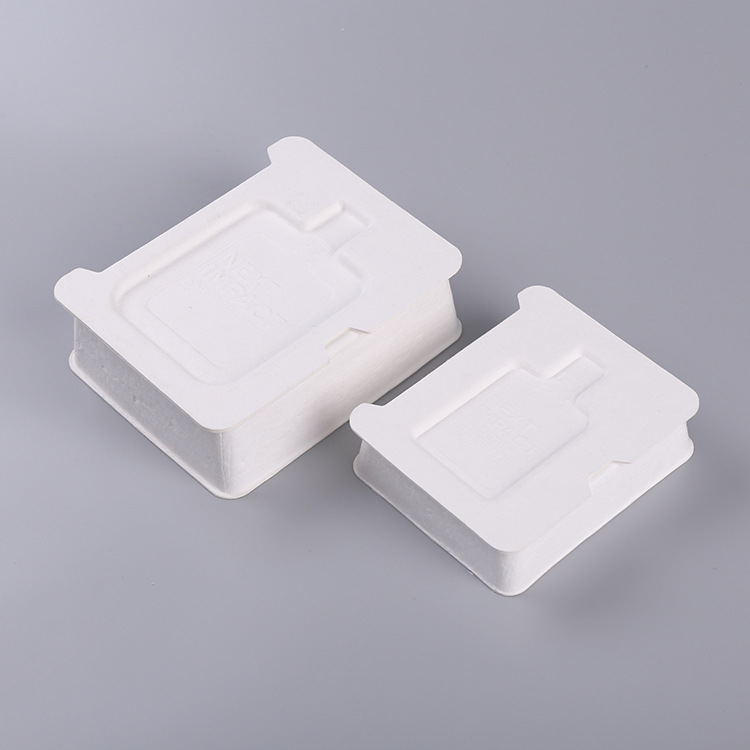
Enter sustainable perfume packaging, a solution that marries environmental responsibility with functional elegance. Companies like OtaraPack are pioneering the use of molded pulp derived from renewable resources such as sugarcane fiber and bamboo. These materials aren't just eco-friendly; they offer a compelling alternative that decomposes naturally without leaving toxic residues. Imagine a world where the vessel that once held your favorite fragrance returns to the earth as effortlessly as the scent fades into memory—this is the promise of biodegradable packaging.
The advantages extend beyond decomposition. Fragrance bottle packaging made from molded pulp is lighter than traditional materials, reducing transportation emissions and costs. Its protective features, including anti-static and moisture-resistant properties, ensure that delicate perfume bottles arrive in pristine condition, minimizing waste from damaged goods. For an industry where presentation is paramount, this isn't just sustainability—it's smart business.
The Science of Protection: How Molded Pulp Safeguards Luxury
Luxury isn't just about appearance; it's about assurance. Perfume houses invest heavily in creating fragrances that are works of art, and their packaging must protect these liquid masterpieces with the same diligence. This is where the science of molded pulp packaging shines.
The design of fragrance bottle packaging isn't accidental. The inner lining is engineered with precision to cradle each bottle, preventing movement during transit. This isn't merely about avoiding breakage—it's about preserving the integrity of a product that can represent months of formulation and artistry. The seal between the lid and base isn't just a closure mechanism; it's a guardian of the perfume's longevity, keeping contents fresh and unadulterated.
What's fascinating is the customization potential. Unlike rigid materials, molded pulp can be shaped to fit any bottle design, from the classic Chanel No. 5 flacon to avant-garde sculptural vessels. Brands can choose from a palette of natural colors or opt for subtle enhancements like embossing or printing, turning packaging into an extension of their artistic vision. It's a testament to how sustainability and luxury aren't adversaries but collaborators.
Market Realities: Navigating Costs and Consumer Expectations
The transition to sustainable practices isn't without challenges. Brands must navigate the delicate balance between maintaining profit margins and meeting rising consumer expectations. Yet, the data suggests that this investment pays dividends beyond the immediate financial horizon.
Consider the luxury sector, where packaging is as much a part of the product as the fragrance itself. Chanel's adoption of eco-friendly packaging wasn't just a moral stance; it was a strategic recognition that modern luxury consumers demand both quality and conscience. Similarly, in the gifting market, where presentation elevates the unboxing experience, sustainable solutions like molded pulp offer elegance without environmental guilt. Imagine receiving a perfume gift where the packaging feels like a thoughtful embrace rather than an ecological burden—this is the emotional connection sustainable design fosters.
The economic argument for sustainable perfume packaging is equally compelling. Lighter materials reduce shipping costs, a significant factor in an industry where global distribution is the norm. Moreover, as regulations around carbon emissions tighten, early adopters position themselves ahead of compliance curves. There's also the immeasurable benefit to brand reputation. In an age where social media amplifies every corporate action, committing to sustainability becomes a story worth telling—one that resonates with influencers and consumers alike.
The table below illustrates a comparison between traditional and sustainable packaging approaches, highlighting the transformative potential of embracing eco-conscious design:
| Aspect | Traditional Packaging | Sustainable Molded Pulp Packaging |
|---|---|---|
| Material Source | Non-renewable plastics and metals | Renewable resources (sugarcane, bamboo) |
| Environmental Impact | High carbon footprint, non-biodegradable | Biodegradable, recyclable, low emissions |
| Protection Level | Adequate but often excessive material use | Precision-engineered protection with minimal material |
| Customization | Limited by material rigidity | High flexibility in shape, color, and texture |
| Cost Structure | Higher transportation and waste management costs | Lower shipping costs, long-term regulatory advantages |
| Consumer Perception | Increasingly viewed as outdated and irresponsible | Aligns with modern values, enhances brand loyalty |
In conclusion, the evolution of perfume packaging from mere containers to vessels of responsibility represents more than an industry trend—it's a cultural shift. As brands like OtaraPack continue to push the boundaries of what sustainable design can achieve, the perfume world stands at the threshold of a new luxury paradigm: one where beauty and conscience aren't just compatible but inseparable. The question isn't whether the industry will change, but how boldly it will embrace the future. And for consumers, the answer promises a future where every spritz of fragrance carries not just a scent, but a story of respect for the world we inhabit.
About the Author